
Why Your Content Is not Reaching Your Audience? A Guide to Modern Content Distribution Strategies

Creative writing and production represent only half of the digital equation; the real key to success lies in delivering that effort intelligently to the target audience. This guide reshapes the game by highlighting modern content distribution strategies and shifting daily practices from mere posting to creating real impact.
It explores practical mechanisms to overcome algorithm challenges and professional rituals to maximize reach, serving as a roadmap toward sustainable digital growth and measurable results.
Are 80% of your content creation efforts going to waste?
"The biggest challenge in content marketing lies in the distribution gap, where most time is spent on production while publishing and amplification are neglected. Without a strong content distribution strategy, content remains confined to its original platform, significantly reducing return on investment (ROI).”
Producing high-quality content requires substantial time and mental effort, yet this investment ultimately depends on the effectiveness of the distribution strategy behind it. Publishing alone is merely the beginning of the journey. As competition for audience attention intensifies, ensuring that your message reaches the right segment becomes the greatest challenge professionals face.
Here, two major obstacles emerge, both requiring strategic handling to secure the desired return from every piece of content you create:
1. The Reality of Declining Organic Reach
Ongoing algorithm updates have reshaped the rules of visibility. Facebook now prioritizes content that sparks meaningful community interaction, while LinkedIn increasingly amplifies insight-driven, expertise-based posts. Depending solely on organic reach has therefore become a high-risk strategy. Sustainable visibility now requires a diversified, intentional distribution ecosystem.
2. When Valuable Content Gets Overlooked
Today’s users live under constant information overload and an accelerated flow of data. This overwhelming abundance naturally drives rapid scrolling behavior and headline-skimming habits. Consequently, even well-crafted, in-depth content risks fading into obscurity amid the dense digital noise.
The real solution lies in mastering the art of content distribution and intelligent repurposing, delivering valuable material in the right format at precisely the right time. A well-designed strategy cuts through mental clutter, captures attention, and encourages audiences to pause, reflect, and fully engage with your ideas, ultimately achieving meaningful impact and message retention.
Why Distribution Now Outranks Content Creation?
“The modern reader needs to encounter a brand five to seven times before making a trust-based decision. Smart content distribution fulfills this requirement by ensuring presence across multiple platforms, transforming content from static text into a continuous experience that builds authority and trust (E-E-A-T).”
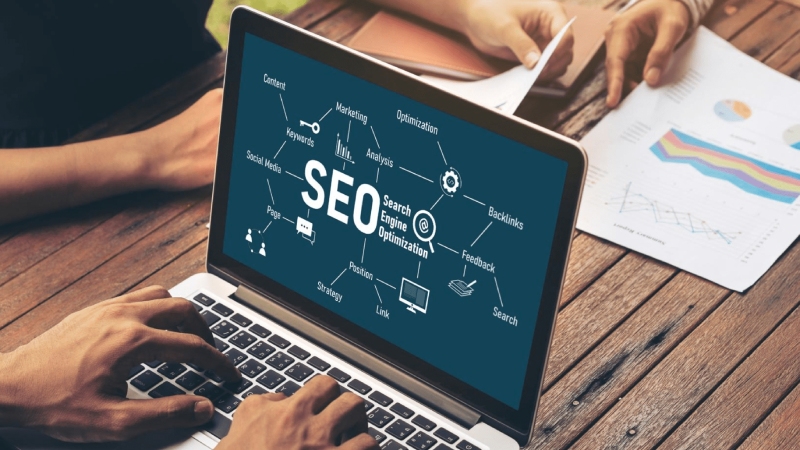
Professionals may spend long hours crafting insightful articles and creative posts, yet this effort represents only half of the equation. Contemporary marketing practices reaffirm the Pareto Principle: allocate 20% of the effort to content creation and 80% to content distribution. Strategic publishing ensures that the value created reaches the right audience and delivers measurable impact amid today’s rapidly shifting digital landscape.
1. The Shock of Organic Reach Numbers
Platforms are witnessing a continuous decline in organic visibility. A study conducted by Socialinsider indicates that the average organic reach rate for Facebook pages has dropped to approximately 2.2%, and in some cases falls below 1.5% for large pages.
This landscape requires reliance on multiple distribution channels to sustain visibility. Broadening your presence across various publishing platforms is no longer a choice; it is a strategic imperative to ensure your message reaches the right audience.
2. Information Overload and the Selective Reader
Audiences are exposed to an overwhelming volume of information, forcing them to become highly selective. Readers constantly search for immediate, tangible value amid the noise.
Content must therefore move beyond mere presence to deliver practical solutions and authentic expertise. Precise distribution - placing content at the right time and in the spaces where active audiences gather - becomes the decisive factor in capturing attention within the daily flood of repetitive posts.
3. Algorithmic Shifts Toward Documented Expertise (E-E-A-T)
Algorithms are increasingly prioritizing authentic human expertise. LinkedIn's engineering updates have emphasized content grounded in professional experience and targeted to specific audiences. Meanwhile, Facebook continues to reward meaningful interactions.
Aligning with E-E-A-T principles- Experience, Expertise, Authoritativeness, and Trustworthiness—has become essential for sustained visibility. Compliance with these standards strengthens professional credibility both in the eyes of audiences and within algorithmic ranking systems.
Professional Workflows for Content Distribution
"A successful content publishing plan follows three channels: Owned (your website, email lists, and direct assets)، Earned (shares, mentions, and organic amplification)، and Paid (sponsored posts, ads, and promoted campaigns). Balancing these three channels ensures sustainable, stable reach, minimizing the risk posed by platform fluctuations.”
Achieving digital success demands a systematic approach to publishing. Effective content distribution forms the foundation for reaching the right audience. At the same time, consistent daily routines ensure that creative efforts are fully leveraged, turning each piece of content into a lasting digital asset. The following steps outline a practical roadmap to maximize impact. The following actionable steps provide a roadmap to ensure effectiveness:
- Applying the 20/80 Rule: Professionals dedicate 20% of their time to creating original content and allocate the remaining 80% to promotion and distribution across multiple channels to achieve the widest possible reach.
- Platform-Specific Customization (Native Distribution): Excellence depends on tailoring content to each platform's unique characteristics. This requires adjusting the tone of voice: professional and analytical on LinkedIn, visually rich and highly engaging on Instagram.
- Platform Checklist: Experts identify three primary platforms to focus on before publishing, plus two secondary channels to strengthen digital presence and ensure comprehensive coverage of the target audience.
- Leveraging Peak Activity Times: Optimal timing relies on precise data. Use native platform insights (e.g., Meta Business Suite) to track follower activity and ensure content appears when the audience is most active. Additionally, employ GA4 analytics to understand website visit patterns and synchronize content distribution accordingly.
- Strategic Boosting: Allocate smart budgets to amplify the top 10% of content with the highest organic engagement. This expands reach, attracts new audiences, and reinforces impact based on real performance metrics.
What Digital Success Looks Like After Implementing the Strategy?
"When you adopt a cross-platform content strategy, your channels transform from isolated islands into a connected network that reinforces itself. The outcome is a lower customer acquisition cost (CAC) and a noticeable increase in conversion rates and brand loyalty.”
Implementing a structured content distribution strategy marks a critical turning point, shifting digital performance from “individual effort” to a cohesive system designed to maximize returns. This approach replaces incremental progress with tangible, high-impact gains. The following outlines the key features of this new digital landscape:
- Achieving Exponential Growth: The success curve moves beyond slow, linear progression and shifts into an upward trajectory driven by the network effect. Distributing content across multiple channels multiplies reach and generates cumulative, compounding results over time.
- Driving Traffic and Strengthening SEO: The website begins attracting a steady stream of high-quality referral traffic from various platforms. This active cross-channel engagement sends strong social signals to search engines, enhancing brand credibility and improving rankings on the first results pages.
In Conclusion
Mastering content distribution is the cornerstone of maximizing creative efforts and achieving meaningful returns. Implementing these strategies provides the shortest path to building a strong, sustainable digital presence.
Turn these steps into action today, and transform every post into a real opportunity for growth and industry leadership.
Frequently Asked Questions
1. Should I publish on all platforms at the same time?
No. A phased distribution approach is recommended. Start with your primary platform, then republish the content on other platforms with time gaps (for example, 24–48 hours) to test audience response and optimize performance.
2. What is the difference between repurposing and content distribution?
Repurposing involves changing the format of the content (e.g., from audio to text).
Distribution, on the other hand, is the process of delivering those different formats to the target audience through various channels.
3. How can I avoid Google’s duplicate content penalty?
When distributing articles to platforms such as Medium or LinkedIn, always use a canonical link that points to your original website. This signals to Google which version is the primary source, protecting your SEO rankings.
This article was prepared by coach Hassan Al-Khatib, a coach certified by Goviral.