
When Your Brand Gets Lost in the Feed- Why Audio Marketing Now Matters More Than Ever

Does it feel like your brand’s voice is fading into the background noise of the digital marketplace? You’re not imagining it. In 2025, building a real, lasting relationship with customers has become one of the toughest challenges businesses face. Trust is fragile, attention is scarce, and consumers are increasingly skeptical of anything that feels automated or artificial.
Here’s the turning point: people are more than twice as likely to trust a human voice than artificial intelligence. In fact, a mid-2024 study by Audacy found that 55% of consumers place greater trust in a real voice than in AI-generated communication. That insight alone explains why audio marketing is no longer optional—it’s essential.
This article explores how audio helps brands cut through digital clutter, reconnect on a human level, and turn transactional interactions into meaningful, trust-based relationships.
The Burnout Era: When Screens Stopped Working
In a world overflowing with content, capturing attention has become a daily uphill battle. Brands are pouring time, energy, and budget into staying visible on screens—often with diminishing returns.
Let’s break down why an all-visual strategy is quietly undermining your ability to connect.
1. Drowning in Pixels: Visual Saturation Across Digital Channels
Today’s digital platforms are packed wall-to-wall with visual noise. Audiences are constantly bombarded by:
- Social media posts
- Short-form videos
- Endless autoplay ads
The result? A hyper-competitive environment where people look at screens without actually seeing anything. Attention thins out, messages blur together, and visual inflation erodes impact. Even strong creative work struggles to land when everything competes at once.
2. Banner Blindness: When the Brain Learns to Tune You Out
Faced with this overload, the human brain has adapted. The phenomenon known as “banner blindness” describes how users instinctively ignore anything that resembles an ad—sometimes consciously, often subconsciously.
The numbers are sobering. According to DoubleVerify, the average viewing time for online visual ads is just 1.7 seconds. Many ads don’t even earn a full second of attention. That reality alone signals an urgent need for alternatives that don’t rely on exhausted visual reflexes.
3. The Shrinking Attention Span Problem
Compounding the issue is the modern habit of constant app-switching. Digital consumers jump rapidly between platforms, notifications, and tabs, fragmenting their focus and reducing tolerance for long-form visual content.
Audio marketing changes the equation. Podcast advertising and thoughtful audio strategies reach people when their minds are clearer—during commutes, workouts, or daily routines. In those moments, attention isn’t split across screens. It’s focused, relaxed, and receptive. That shift dramatically improves the quality of the customer experience—and the impact of your message.
"Visual fatigue occurs when consumers become oversaturated with visual content, leading to ad avoidance and declining attention. This opens the door to more intimate, less intrusive channels—most notably, audio."
Beyond Transactions: Why Customers Crave Genuine Connection
As digital spaces grow louder and more crowded, consumers are seeking something quieter, more personal, and more human. They want relationships with brands that feel authentic—not purely transactional or aggressively promotional.
Audio meets this psychological need in a way few other channels can.
The Human Advantage: Why Sound Builds Trust Faster Than Images
A human voice creates instant proximity. Hearing someone speak feels like a one-to-one conversation, even when thousands are listening. Visual content rarely achieves that level of emotional closeness.
This intimacy matters. A BBC Global News study titled “Audio: Activated” found that branded audio content stimulates 25% more brain activity than visual content. The result is stronger memory retention, deeper emotional engagement, and messages that actually stick.
Always There, Never in the Way: Audio’s Lifestyle Fit
One of audio’s greatest strengths is flexibility. It doesn’t demand eye contact or screen time. People can engage with your content while:
- Driving
- Exercising
- Doing household tasks
This ability to accompany customers throughout their day builds consistent touchpoints without feeling intrusive. Over time, audio becomes part of their routine—less like marketing, more like a trusted presence.
From Shouting to Storytelling
Audio allows brands to move away from loud, interruptive promotions and toward meaningful conversations. Instead of pushing messages, you can share stories, insights, and purpose-driven content.
This isn’t just a channel shift—it’s a mindset shift. Customers begin to seek out your content rather than avoid it. That dynamic is the foundation of loyalty and long-term trust.
"Modern audiences want content that feels personal and sincere. Audio delivers this by fitting into private moments, fostering dialogue, and building trust without interruption."
Turning Sound into Strategy: Podcasts and Audio Advertising That Convert
Once you recognize the limits of visual marketing and the growing demand for intimacy, audio stands out as the most practical path forward.
Here’s how to use it effectively.
Podcasts: Turning Expertise into a Voice People Choose
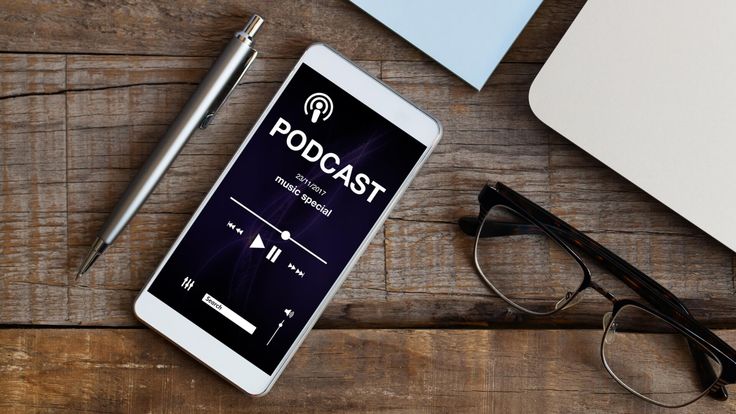
Podcasts sit at the core of any strong audio strategy. They allow you to translate your expertise into content that audiences willingly consume. Done well, a podcast positions your brand as a trusted authority—not just another seller competing for clicks.
Host-Read Ads: The Power of Borrowed Trust
Host-read podcast ads consistently outperform other formats because they feel like recommendations, not interruptions. Listeners trust the host—and that trust transfers to your brand.
Consider this:
- Platforms like Skillshare leverage host-read ads to reach curious, motivated audiences. The ads don’t feel forced. They sound like genuine endorsements from someone listeners already respect, which amplifies credibility and conversion rates.
Programmatic Audio: Precision Meets Timing
Intimacy alone isn’t enough. When paired with smart technology, audio becomes even more powerful. Programmatic audio advertising enables precise targeting based on factors like location, interests, and listening context.
Imagine promoting a local café to someone listening to a podcast nearby. The message feels timely, relevant, and helpful—never random.
"Effective audio marketing rests on two pillars: value-driven podcasts that build community, and targeted audio ads that expand reach. Host-read messages function as trusted recommendations, accelerating connection and conversion."
When Your Brand Learns to Whisper: The Next Chapter of Direct Marketing
Now that we’ve unpacked how audio content strategies work today, it’s time to look forward. Audio isn’t just another channel—it’s quickly becoming the front door to digital interaction. As screens grow louder and attention grows thinner, sound is stepping in as the most natural, human interface we have.
What comes next is even more powerful: deeper relationships driven by personalization, context, and artificial intelligence—without sacrificing trust.
The Era of One-to-One Sound: Personalization That Actually Feels Personal
Audio marketing is moving fast toward hyper-personalization. Think beyond static ads. The future belongs to dynamic audio experiences that adapt in real time based on:
- Listener location
- Listener mood
Instead of repeating the same message to everyone, brands will deliver audio that feels situational and relevant—more like a helpful nudge than a sales pitch. This approach reduces both visual and auditory fatigue and turns audio into a welcome companion rather than background noise.
Voice Search Optimization (VSO): When Brands Learn to Speak Human
As smart speakers and digital assistants become everyday fixtures, the way people search is changing. Consumers are no longer typing keywords—they’re asking questions out loud, in full sentences, using natural language.
That shift makes Voice Search Optimization (VSO) impossible to ignore. Brands now need to structure content the way people actually speak, not the way algorithms used to read. Those who adapt will show up more often, sound more relevant, and feel more intuitive in voice-driven moments.
Audio Everywhere: From Marketing Channel to Full Customer Experience
Audio’s role doesn’t stop at awareness or promotion. It’s expanding across the entire customer journey—from discovery to service to purchase.
According to Gartner, by 2026, 30% of outbound marketing interactions from large enterprises will take place through audio channels. That’s a clear signal: audio customer experience (Audio CX) is no longer experimental—it’s strategic.
Voice notes in customer service, audio product explanations in e-commerce, and conversational follow-ups are quickly becoming the norm. Brands that integrate audio across touchpoints won’t just respond faster—they’ll feel easier to do business with.
"The future of audio marketing goes far beyond podcasts. Winning brands will embed audio into every stage of the customer journey, using voice search and smart assistants to deliver faster service and more personalized interactions."
Start Small, Start Smart: 3 Practical Steps to Launch Your Audio Strategy
Audio marketing has proven to be an effective path for overcoming visual fatigue and building strong, genuine customer relationships over the long term.
Below are three practical steps any brand can begin implementing today to successfully launch its first audio content strategy.
1. Define Your Objective and Listener Persona (Audio Persona)
To ensure success, direction must be defined first:
- Are you aiming to increase brand awareness or generate new leads?
- Who is the ideal listener you want to speak to?
Defining this audio persona ensures focused content and effective targeting.
2. Choose the Format and Start with a Minimum Viable Product (MVP)
You do not need a massive investment to begin audio marketing:
- No need for an expensive professional studio at the start.
- Begin with a short podcast or a series of valuable audio clips.
- Use accessible tools such as Anchor.fm.
Expert Tip: Podcasting pioneer Pat Flynn advises focusing initially on delivering exceptional value within a very specific niche. Do not try to please everyone—be the preferred source for a small, loyal audience.
3. Publish, Promote, and Measure Performance
The success of audio marketing depends on distribution and continuous optimization of the audio customer experience:
- Distribute your content on major platforms such as Spotify and Apple Podcasts.
- Use platform analytics to understand listener behavior (e.g., podcast ad completion rates).
- Refine your strategy based on collected data to strengthen audience relationships.
"To launch your audio strategy: first, define your goal and audience. Second, produce simple, focused content. Third, publish on major platforms and continuously analyze performance to improve results and expand reach."
The Quiet Power Move: Why Audio Wins in 2025
Audio marketing isn’t a trend—it’s a correction. A shift away from shouting for attention and toward earning trust. In a world exhausted by screens, sound feels human again.
With the right audio content strategy and thoughtful podcast advertising, brands can deliver experiences that feel authentic, personal, and genuinely valuable. The future of marketing isn’t louder—it’s closer.
The question isn’t whether audio belongs in your 2025 plan.
It’s whether your brand is ready to be heard—up close.
Have you already started experimenting with audio content? Share what’s holding you back in the comments, and pass this article to your team to begin building your audio-first future together.
FAQs
1. What is the difference between audio marketing and podcast marketing?
Audio marketing is the broader category—it includes all sound-based tactics. Podcast marketing is one branch of it, focused specifically on branded podcasts or advertising within existing shows.
2. Is audio marketing suitable for B2B companies?
Absolutely. Niche podcasts are especially powerful in B2B, helping brands build thought leadership and reach decision-makers in low-pressure moments like commutes or breaks.
3. How do I measure ROI from audio campaigns?
Common metrics include downloads, listener retention, visits to podcast-specific landing pages, and the use of exclusive discount codes mentioned during episodes.
This article was prepared by coach Ammar Ahmed, a coach certified by Goviral.