
Audio Is the Brand- All-In-One Guide for Building a Professional Podcast in 2026
Ever notice how certain podcasts rack up millions of listens while others—despite solid ideas and thoughtful content—quietly disappear into the digital void?
In 2026, the difference rarely comes down to talent alone. The bar has moved. Fast.
Today’s podcast landscape is brutally competitive, and audiences have developed zero patience for muddy audio, uneven volume, or recordings that sound like they were captured in a moving car. With endless options one tap away, listeners don’t “power through” technical flaws anymore—they swipe away.
The hard truth? Great ideas don’t travel far if the sound can’t carry them.
For creators ready to move from passion project to professional brand, one reality is unavoidable: technology is no longer a nice-to-have. It’s the bridge between your voice and your audience’s attention.
This guide breaks down how modern podcast production tools can redefine your audio identity—and help you stand out in an increasingly crowded global market.
Why Upgrading Your Tools Is No Longer Optional in 2026?
Digital evolution isn’t slowing down—it’s sprinting. Tools that felt “advanced” just two years ago now look outdated next to today’s listener expectations.
Modern audiences—especially on platforms like Spotify—expect clean sound, consistent volume, and a seamless listening experience. Background noise, awkward pauses, or fluctuating audio levels don’t just distract anymore; they signal a lack of professionalism.
And the data backs this up. According to the Reuters Institute, podcast consumption in the Middle East is growing at an annual rate of over 25%. With that growth comes a clear responsibility: Arab creators are no longer competing locally—they’re being measured against global standards.
Upgrading your technical stack isn’t about chasing shiny tools. It’s about staying relevant.
1. The New Audio Rulebook: What Streaming Platforms Expect Now
Audio quality in 2026 isn’t just about sounding “clear.” It’s about playing well with the algorithms that decide whether your show gets discovered—or ignored.
Here’s what major platforms now quietly expect behind the scenes:
- Audio Format: High-quality formats like WAV are preferred over heavily compressed MP3s that strip depth and warmth from your sound.
- Loudness Standards: Hitting the -14 LUFS benchmark ensures a consistent listening experience across episodes and devices.
- Metadata Optimization: Smart tagging and keyword-rich audio metadata directly impact discoverability in recommendation systems.
2. How AI Is Ending “Editing Burnout” for Creators?
Modern technologies help automate repetitive tasks that once drained creators’ time and energy. These roles include:
- Silence Removal: Automatically reducing long pauses without affecting the natural flow of conversation.
- Noise Isolation: Separating the speaker’s voice from street noise or air-conditioning hum with a single click.
- Pronunciation Correction: Tools capable of technically correcting distorted articulation to enhance clarity.
"Podcast production tools in 2026 require advanced AI-driven audio engineering capabilities to keep pace with competition. The core need is to save time through automation and ensure clean audio free of ambient noise, thereby significantly increasing listener retention rates."
The 7 Tools Powering Professional Podcasts in 2026
After managing and reviewing large-scale audio projects, one thing is clear: excellence doesn’t come from a single “magic” tool. It comes from a well-chosen ecosystem. Below is a concise, technically tested list designed to ensure the best user experience (UX):
1. Riverside.fm: Studio-Grade Recording, Anywhere
- Feature: Separate local recording in up to 4K quality, ensuring audio is not affected by a guest’s weak internet connection.
- Example: Recording a conversation between someone in Dubai and another in New York with full studio-quality sound.
2. Descript: Edit Audio Like a Google Doc
- Feature: Automated podcast editing through text-based editing—deleting a word from the text instantly removes it from the audio.
- Example: Removing a stutter or incorrect sentence from an interview with a single click on the written word.
3. Adobe Podcast AI: Turn Any Room into a Studio
- Feature: Powerful AI-driven audio engineering that isolates noise and transforms ordinary rooms into professional studios.
- Example: Recording an episode in a busy café and cleaning the audio to sound as if it were recorded in a soundproof studio.
4. Spotify for Podcasters: Data That Actually Helps
- Feature: Provides detailed analytics and identifies listener “drop-off points” to better understand audience behavior and improve content.
- Example: Discovering that listeners leave at the ten-minute mark, prompting you to shorten the introduction next time.
5. AraTranscript: Arabic Speech-to-Text Done Right
- Feature: Professional speech-to-text conversion with very high accuracy, capable of understanding different Arabic dialects.
- Example: Converting a podcast in a Saudi dialect into a written article with up to 95% accuracy.
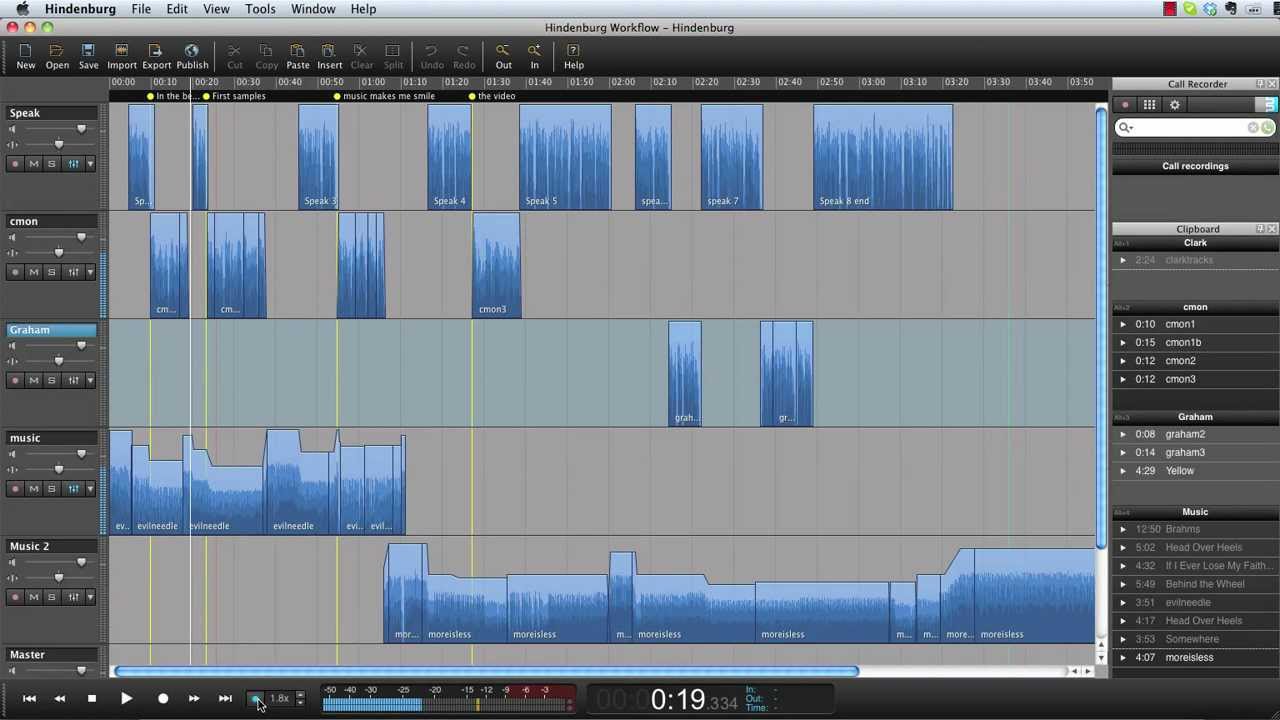
6. Hindenburg Narrator: Smooth Storytelling, Automatically
- Feature: Automatic audio leveling to maintain smooth narration for storytelling podcasts and audiobooks.
- Example: Balancing the host’s voice with background music in a documentary podcast without manual intervention.
7. Auphonic: The Final Polish
- Feature: Final processing and adjustment of global loudness standards to ensure a consistent listening experience.
- Example: Raising a quiet guest’s volume and lowering an overly loud host’s voice so the episode sounds perfectly balanced.
"The best podcast production tools for 2026 include Riverside for professional recording, Descript for text-based editing, and AraTranscript for Arabic language processing. Using these tools ensures high-quality audio production, supports speech-to-text conversion, and provides accurate analytics for audience growth."
How to Choose the Right Tool for Your Audio Project?
Not every premium-priced tool deserves a spot in your workflow. The “right” choice isn’t about what’s trending on Twitter or what prominent creators endorse—it’s about what fits your project’s scope, your skills, and your budget.
Brilliant creators think in systems, not shiny features. They balance technical power with ease of use, knowing that consistency beats complexity every time. The goal isn’t to impress other podcasters—it’s to publish reliably without burning out.
Below is a simple comparison to help you choose with clarity, not guesswork.
|
Criteria |
Beginners |
Professionals |
|
Budget |
Free tools (Adobe Podcast) |
Paid subscriptions (Riverside / Descript) |
|
Ease of Use |
Drag-and-drop interfaces |
Multi-track control interfaces |
|
Primary Goal |
Recording simple conversational episodes |
Producing complex audio documentaries |
|
Arabic Language Support |
Limited in global tools |
Strong (AraTranscript / Whisper) |
Free vs. Freemium Tools: What’s the Difference?
Free tools are fantastic for testing ideas and launching a pilot. They help you validate your concept without financial pressure. But once you commit, paid plans unlock leverage that compounds over time:
- Unlimited cloud storage: Peace of mind when your archive grows—and protection from unexpected data loss.
- Higher export quality: Access to uncompressed files for serious post-production and future-proofing.
- Priority technical support: Real-time help during live recordings, when every minute counts.
Best Tools by Stage: Beginners vs. Professionals
Beginners need tools that stay out of the way. Fewer buttons. Fewer decisions. Less friction. Professionals, on the other hand, need surgical control—precision editing, advanced analytics, and scalable workflows.
Our expert take: Start with Adobe Podcast for your first five episodes to build confidence and momentum. Once you understand basic editing principles, move to Descript. This transition keeps your learning curve smooth while setting you up for long-term professionalism.
One critical note for Arab creators: Tools that poorly support Arabic will quietly double your workload. Manual transcript corrections drain time and energy fast. Always prioritize platforms that offer region-aware speech recognition and robust podcast analytics—accuracy here isn’t optional.
"Choosing podcast production tools depends on your budget and experience level. Beginners benefit from Adobe’s free tools, while professionals rely on Descript and Riverside for deep analytics and fast, 2026-ready workflows."
Envisioning Success: What Will Your Podcast Look Like After Automation?
Picture this: an episode that once consumed an exhausting week now takes a focused afternoon. No late-night edits. No creative fatigue. Just momentum.
Automation doesn’t dilute creativity—it protects it. By removing repetitive grunt work, you free up mental bandwidth for sharper ideas, better storytelling, and stronger guests.
Here’s what that future looks like:
- Higher productivity: Batch an entire month of episodes in one week—and use the saved time to refine your distribution and marketing.
- Better discoverability: Accurate transcripts and auto-generated captions turn audio into searchable content, boosting visibility across global search engines.
- A stronger brand signal: Professional sound elevates perceived value—and makes sponsors take you seriously.
The Real Shift: From Hobbyist to Authority
Adopting smart production tools is no longer a technical decision—it’s a strategic one. In a crowded Arab audio landscape, professionalism isn’t a differentiator; it’s the entry ticket.
In 2026, advanced podcast production tools aren’t a luxury. They’re the foundation of sustainability in a fiercely competitive, algorithm-driven world.
We’ve moved far beyond simple recordings. AI-powered audio engineering has lowered the barrier to entry—but raised the standard.
Remember this: Content may be king, but audio quality is the crown it wears.
Arab listeners are looking for insight and comfort in listening. The tools covered here deliver both.
You don’t need a million-dollar studio to start. Choose one tool. Improve your very next episode. Then build from there.
Your turn: What’s the biggest technical obstacle you’re facing in producing your podcast right now?
FAQs
1. Are there podcast production tools that effectively support Arabic?
Yes. Tools like AraTranscript and AI-powered transcription via Whisper support Arabic dialects with accuracy reaching up to 95%, significantly simplifying speech-to-text workflows.
2. Do I still need a professional sound engineer when using these tools?
AI-driven audio engineering allows beginners to achieve near-professional-quality results. However, sound engineers remain essential for large-scale projects that require custom mastering and fine-grained technical control.
3. What is the most essential feature to look for in analytics tools?
Listener drop-off analysis. Knowing when and why audiences disengage is critical for content improvement and driving long-term growth.
This article was prepared by coach Hassan Al-Khatib, a coach certified by Goviral.